Can I use Midjourney images commercially without copyright issues?
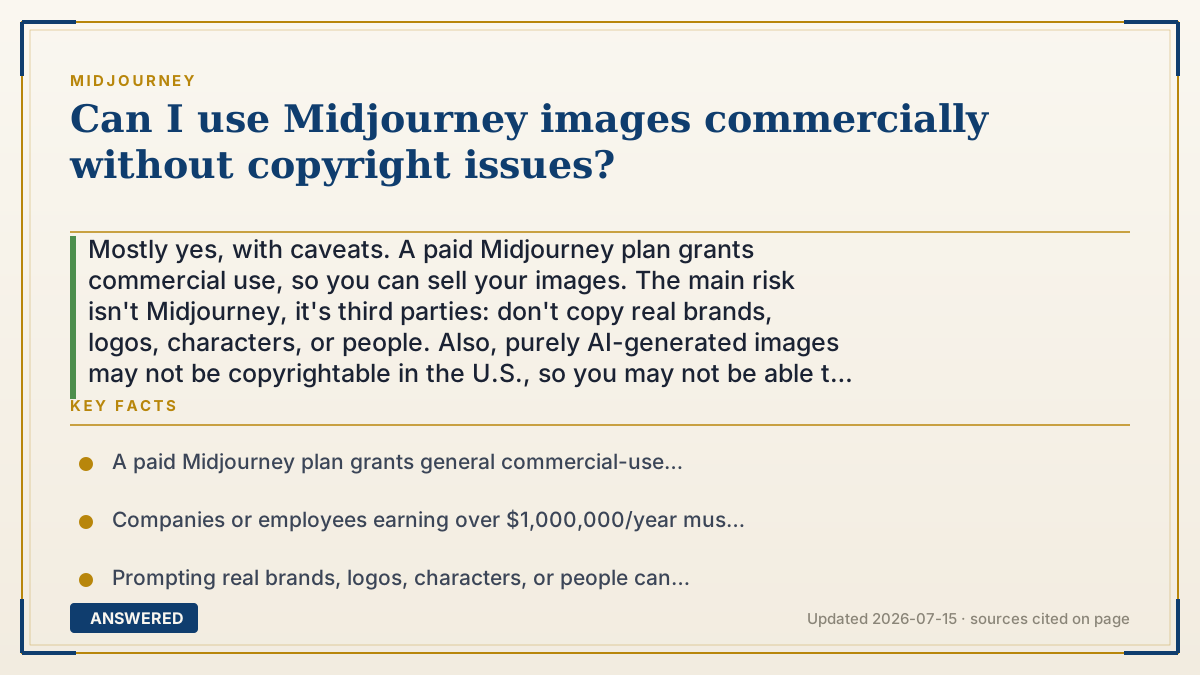
Mostly yes, with caveats. A paid Midjourney plan grants commercial use, so you can sell your images. The main risk isn't Midjourney, it's third parties: don't copy real brands, logos, characters, or people. Also, purely AI-generated images may not be copyrightable in the U.S., so you may not be able to stop others from copying yours. Not legal advice.
Why — the first-principles explanation
There are two separate copyright worries, and they point in opposite directions. The first is infringing on others. If your prompt recreates a trademarked logo, a famous cartoon character, or a real person's face, you could be violating someone else's rights, no subscription protects you from that. Keeping prompts original avoids this.
The second is protecting your own work. Under Midjourney's Terms of Service, a paid subscriber owns and may commercialize their images. But the U.S. Copyright Office generally won't register a purely AI-generated image because it lacks human authorship. So while you can legally use and sell the image, you may have weak power to stop competitors from copying it.
For 'without copyright issues,' the practical playbook is: be on a paid plan (Pro or Mega if your company earns over $1,000,000/year), avoid copying protected material, and add meaningful human editing if you want stronger, more defensible ownership. This is general information, not legal advice.
An example that makes it click
Imagine writing a song with a keyboard's auto-compose button. You're allowed to perform and sell your tune (your Midjourney plan says so). But if the melody happens to copy a hit song, you're in trouble, that's using someone else's material. And because a button, not you, wrote it, you might not be able to stop a neighbor from playing the same tune. Original input keeps you safe; heavy personal editing gives you a stronger claim.
How to do it
- Subscribe to a paid plan; use Pro or Mega if your company earns over $1,000,000/year.
- Keep prompts original, avoiding real brands, logos, trademarked characters, and real people.
- Add meaningful human editing or arrangement to strengthen your ownership claim.
- Use Stealth Mode (Pro/Mega) for confidential commercial or client work.
- For high-stakes commercial use, consult an attorney about your specific case.
Key facts
- A paid Midjourney plan grants general commercial-use rights.
- Companies or employees earning over $1,000,000/year must use Pro or Mega.
- Prompting real brands, logos, characters, or people can create third-party legal risk.
- Purely AI-generated images may not be copyrightable in the U.S.
- Human editing can add separately protectable, more defensible elements.
Open the official product site and confirm the current access, plans and terms.
▶ The 60-second explainer (script)
Can you use Midjourney images commercially without copyright issues? Mostly, if you're careful. First, get a paid plan, that grants commercial rights, and use Pro or Mega if your company earns over a million a year. Now the two real risks. One: don't copy other people's stuff. If your prompt recreates a trademarked logo, a famous character, or a real person's face, you could be infringing, and no subscription shields you. Keep your prompts original. Two: your own AI image may be hard to protect. The U.S. Copyright Office generally won't register a purely AI-made image, so you might not be able to stop copycats. Adding real human editing strengthens your claim. So: paid plan, original prompts, add your own creative touches. For big commercial projects, talk to a lawyer. This is general info, not legal advice.
What authoritative sources say
People also ask
Will Midjourney sue me for selling its images?
No, a paid plan grants commercial rights. The bigger risks are infringing third-party brands or people, and weak copyright protection on AI output.
How do I make my images legally safer?
Use original prompts, avoid real logos and faces, add meaningful human editing, stay on the correct plan for your revenue, and consult a lawyer for high-stakes use.
Can two people end up with identical images?
It's possible with similar prompts. Because purely AI images may lack copyright, stopping look-alikes can be legally difficult.
Does adding text or edits help?
Yes. Meaningful human contribution, editing, arranging, or combining, can create protectable elements and strengthen your ownership claim.