Is deepfake illegal?
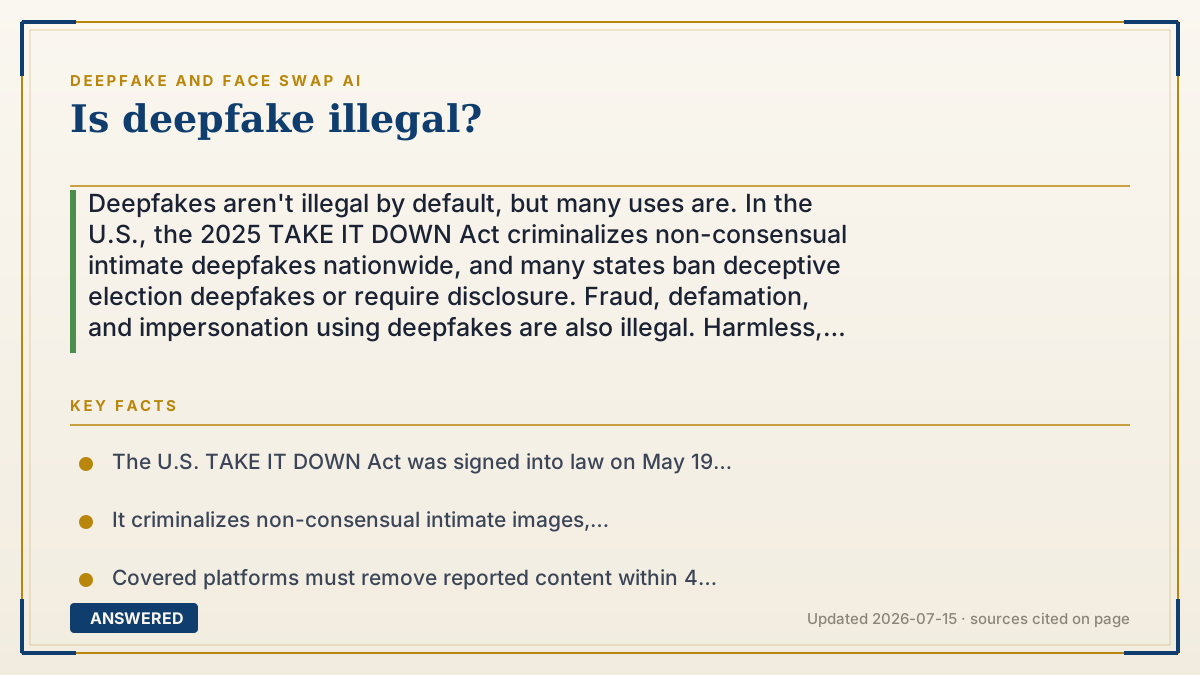
Deepfakes aren't illegal by default, but many uses are. In the U.S., the 2025 TAKE IT DOWN Act criminalizes non-consensual intimate deepfakes nationwide, and many states ban deceptive election deepfakes or require disclosure. Fraud, defamation, and impersonation using deepfakes are also illegal. Harmless, consensual, labeled deepfakes are generally legal.
Why — the first-principles explanation
Laws regulate deepfakes by harm and use, not by the technology itself, because the same tool makes a movie effect and a criminal fake. So 'is a deepfake illegal?' depends entirely on what it depicts, whether the subject consented, and whether it's meant to deceive.
The clearest federal line in the U.S. is non-consensual intimate imagery. The TAKE IT DOWN Act, signed May 19, 2025, criminalizes knowingly publishing intimate images without consent, explicitly including AI 'digital forgeries' (deepfakes), and requires covered platforms to remove reported content within 48 hours. Its platform-takedown duties took effect in May 2026, enforced by the Federal Trade Commission.
Beyond that, general laws still apply. Using a deepfake to steal money is fraud; to damage a reputation is defamation; to impersonate a person or business can violate impersonation and right-of-publicity laws. Many U.S. states add specific rules against deceptive political deepfakes near elections and against non-consensual sexual deepfakes, and jurisdictions like the EU are phasing in AI transparency and disclosure requirements.
What's generally legal: deepfakes of yourself, consenting adults, or fictional characters; clearly labeled parody, art, and entertainment; and research or education. The safe rule of thumb is consent plus disclosure, get permission from the people depicted and make clear the content is AI-generated.
An example that makes it click
Think of a deepfake like a printing press. Owning and using one is legal. Printing a novel is fine. Printing fake $100 bills, forged contracts, or libelous flyers is a crime. The machine isn't the issue, what you print is.
So a face swap of yourself dancing in a movie scene is like printing a fun poster: legal. A deepfake of a coworker in intimate content, or a fake video of a bank CEO telling staff to wire money, is like printing counterfeit cash: the law comes down hard, no matter how good the printer was.
Key facts
- The U.S. TAKE IT DOWN Act was signed into law on May 19, 2025.
- It criminalizes non-consensual intimate images, including deepfake 'digital forgeries'.
- Covered platforms must remove reported content within 48 hours; those duties took effect May 2026.
- The FTC enforces the Act's platform obligations under the FTC Act.
- Many U.S. states separately ban deceptive election deepfakes or require AI-content disclosure.
▶ The 60-second explainer (script)
Are deepfakes illegal? Not by default, but a lot of what people do with them is. The technology itself is legal, laws target the harm. In the United States, the biggest line is non-consensual intimate images. The TAKE IT DOWN Act, signed in May 2025, makes it a federal crime to share intimate images without consent, and it specifically includes AI deepfakes. As of May 2026, platforms must remove reported content within 48 hours, enforced by the FTC. On top of that, normal laws still apply: using a deepfake to steal money is fraud, to trash someone's reputation is defamation, and to impersonate a person can be illegal too. Many states also ban deceptive election deepfakes. What's generally fine? Deepfakes of yourself, consenting adults, or fictional characters, clearly labeled as AI. The safe rule: consent plus disclosure.
What authoritative sources say
People also ask
Is it illegal to make a deepfake of a celebrity?
It can be. Non-consensual intimate deepfakes are criminal, and using a celebrity's likeness to deceive or for commercial gain can violate right-of-publicity and defamation laws. Clearly labeled parody is a gray area.
Are deepfakes of yourself legal?
Generally yes. Creating deepfakes of your own face, consenting adults, or fictional characters for lawful purposes is typically legal, especially when labeled as AI.
What does the TAKE IT DOWN Act require of platforms?
Covered platforms must provide a notice-and-removal process and take down reported non-consensual intimate images, including deepfakes, within 48 hours.
Can I go to jail for a deepfake?
Yes, for certain uses. Non-consensual intimate deepfakes carry criminal penalties, and deepfake-enabled fraud can lead to serious charges. This is general information, not legal advice.