Is it legal to clone a celebrity voice?
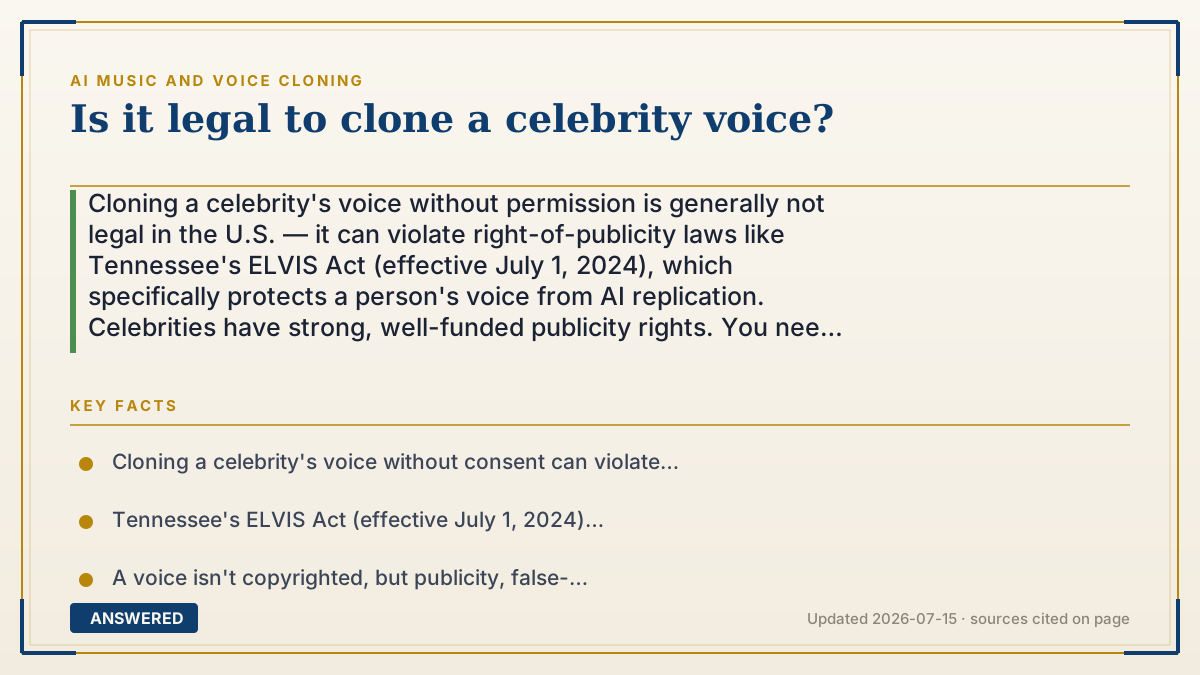
Cloning a celebrity's voice without permission is generally not legal in the U.S. — it can violate right-of-publicity laws like Tennessee's ELVIS Act (effective July 1, 2024), which specifically protects a person's voice from AI replication. Celebrities have strong, well-funded publicity rights. You need a signed license to use their voice. This is general information, not legal advice.
Why — the first-principles explanation
Celebrities are the most protected voices, not the least, because their identity has clear commercial value. The right at stake is the right of publicity — a person's control over commercial use of their name, image, and voice. Famous people have built careers on that value, so courts readily recognize harm when it's taken.
Recent law targets AI directly. Tennessee's ELVIS Act (effective July 1, 2024) was the first to explicitly bar unauthorized AI replication of a person's voice, and it was designed with recording artists in mind. California, New York, and others have added protections, and a federal NO FAKES Act is proposed (not yet passed as of 2026-07). Even before these, a landmark case established that imitating a singer's distinctive voice for commercial use can be unlawful — the AI version simply makes the imitation easier and the liability clearer.
Copyright is a common misconception here: a voice isn't copyrighted, so people assume cloning is a free-for-all. But publicity rights, plus possible false endorsement and trademark claims (implying the celebrity backs your product), fill that gap. The only safe route is a signed license from the celebrity or their estate. Parody may get limited protection, but it's a narrow, fact-specific defense — not a green light for AI celebrity covers.
An example that makes it click
A celebrity's voice is like their brand logo. You can't slap Nike's swoosh on your sneakers and sell them, even though you 'made' the shoes — the logo signals it's them. A cloned celebrity voice does the same thing: it signals that famous person, so using it without a signed deal is like counterfeiting their brand. Copyright isn't the fence here; their identity rights are, and for celebrities those fences are tall and guarded by lawyers.
How to do it
- Assume a celebrity voice is off-limits without a signed license from them or their estate.
- If you want to use it, negotiate a written license that defines the use, scope, and duration.
- Don't imply endorsement — that adds false-endorsement and trademark risk on top of publicity rights.
- Treat parody carefully; it's a narrow, fact-specific defense, not a safe harbor.
- For any real project, consult an entertainment or IP attorney before publishing.
Key facts
- Cloning a celebrity's voice without consent can violate right-of-publicity laws.
- Tennessee's ELVIS Act (effective July 1, 2024) explicitly protects voices from AI replication and was aimed at artists.
- A voice isn't copyrighted, but publicity, false-endorsement, and trademark claims apply.
- The federal NO FAKES Act was proposed but not passed as of 2026-07.
- Only a signed license from the celebrity or their estate makes commercial use safe.
▶ The 60-second explainer (script)
Is it legal to clone a celebrity's voice? Generally, no — not without permission. Celebrities have the strongest protection of anyone, because their voice has real commercial value, guarded by right-of-publicity laws. Tennessee's ELVIS Act, effective July 2024, was written with recording artists in mind and specifically bans unauthorized AI replication of a person's voice. People assume that because a voice isn't copyrighted, cloning is fair game — but publicity rights, plus false-endorsement and trademark claims, fill that gap. Even a famous old court case found that imitating a singer's distinctive voice for ads can be illegal. The only safe way to use a celebrity voice is a signed license from them or their estate. Parody is a narrow defense, not a green light. This is general information, not legal advice.
What authoritative sources say
People also ask
Can I clone a celebrity voice for a non-commercial meme?
It's still risky. Publicity and defamation claims can apply, and platforms may remove it. Commercial use is clearly unsafe without a license.
Isn't a voice not copyrighted, so it's fine?
No. A voice isn't copyrighted, but right-of-publicity, false-endorsement, and trademark laws protect a celebrity's voice.
What about a dead celebrity?
Many states extend publicity rights after death, so the estate typically controls the voice. You'd still need a license.
How can I legally use a celebrity voice?
Get a signed license from the celebrity or their estate defining the exact use, scope, and duration.